
In the hot summer, jumping into a clear and transparent swimming pool for a swim is the first choice for many people to cool down. However, behind the seemingly clean pool water, there are health risks that cannot be ignored - bacterial growth, algae reproduction, chemical residues and other problems, which always threaten the skin and respiratory health of swimmers. Although traditional chlorine disinfection can kill bacteria, its irritating odor, potential carcinogenic risks and frequent testing and maintenance processes are gradually being replaced by more advanced technological solutions. As the core component of the new generation of swimming pool water treatment technology, titanium anode plates are leading the industry change with their unique advantages and becoming the standard for high-end swimming pools, water parks and home SPAs.
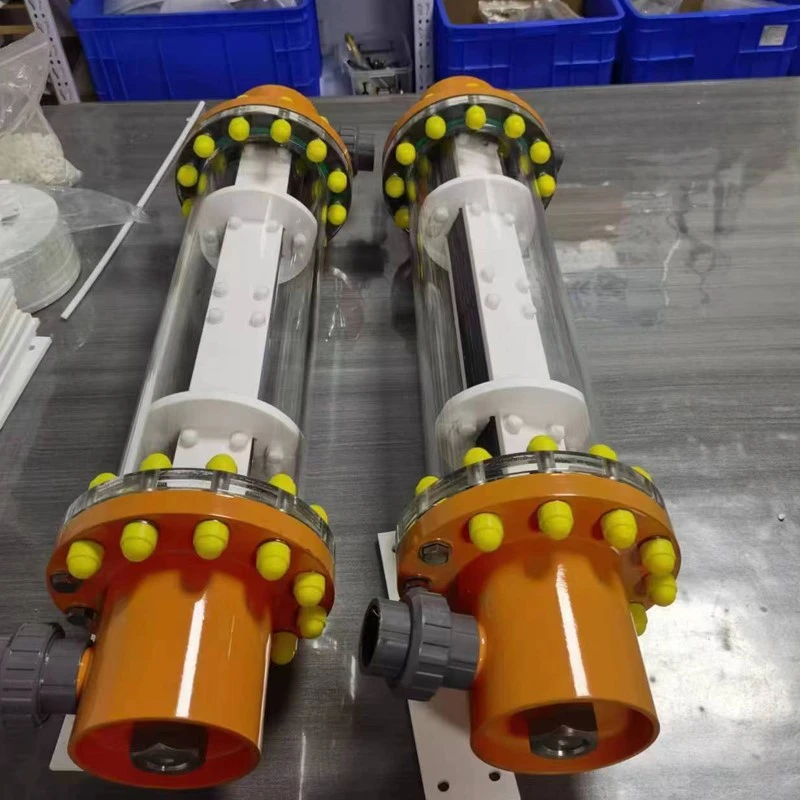
Titanium anode plate: "material revolution" in swimming pool disinfection technology
1. Beyond the myth of corrosion resistance of traditional metals
The chloride ions, acidic substances and high temperature and high humidity environment in swimming pool water pose severe challenges to the materials of disinfection equipment. Traditional stainless steel or plated electrodes are prone to corrosion and peeling after long-term use, which not only affects the disinfection efficiency, but also may release heavy metal ions to pollute the water quality. The titanium anode plate adopts a composite structure of titanium substrate + precious metal oxide coating (such as ruthenium iridium, iridium tantalum, etc.). Titanium metal itself has extremely strong corrosion resistance and can remain stable even in strong acid and alkali environments. Tests by an authoritative organization show that the service life of titanium anode plates in a simulated swimming pool environment can reach 5-10 years, which is 3-5 times that of ordinary electrodes, greatly reducing the frequency of equipment replacement and maintenance costs.
2. Electrolysis efficiency revolution: from "passive disinfection" to "active purification"
Traditional chlorine disinfection relies on artificial addition of chemical agents, and the dosage is difficult to accurately control. Excessive dosage can easily cause skin allergies, and insufficient dosage cannot completely sterilize. Titanium anode plates use salt water electrolysis technology (NaClO generation) to convert salt and water into sodium hypochlorite (NaClO) disinfectant, achieving "production on demand and immediate use". This process does not require external chemical agents, completely eliminating storage and transportation risks, and sodium hypochlorite only produces sodium ions, chloride ions and water after decomposition, without toxic byproducts. More importantly, the high catalytic activity of titanium anode plates increases the electrolysis efficiency by more than 30%, and the disinfection ability is stronger under the same energy consumption, truly realizing "green disinfection".
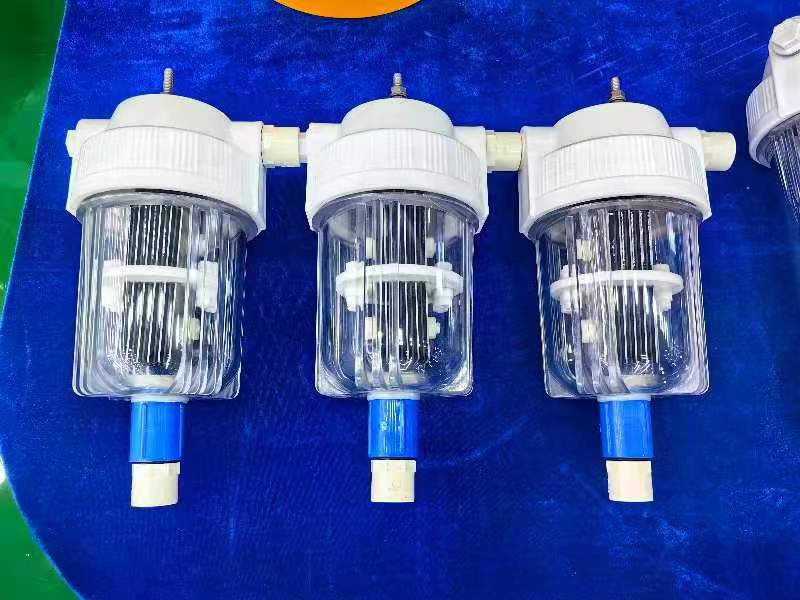
Five core advantages of titanium anode plates for swimming pool disinfection: Redefining swimming pool health standards
1. Zero chemical residue, good news for sensitive people
Chlorine-based disinfectants easily react with organic matter in water to produce carcinogens such as chloroform, while sodium hypochlorite produced by electrolysis of titanium anode plates quickly decomposes into chloride ions after sterilization. Water quality testing shows that the residual chlorine concentration is stable at 0.3-0.5ppm (much lower than the 1-3ppm of traditional swimming pools), effectively avoiding problems such as red eyes and dry skin. For sensitive groups such as children, pregnant women and asthma patients, this "non-sense disinfection" experience is particularly valuable.
2. Intelligent control, bid farewell to the era of "manual duty"
The modern titanium anode plate system has integrated the Internet of Things technology, and monitors water quality parameters (pH value, residual chlorine, ORP value, etc.) in real time through sensors, and automatically adjusts the electrolysis current and salt dosage. Users can remotely view the status of the device through the mobile phone APP, and even preset scenario-based solutions such as "energy-saving mode" and "strong disinfection". Data from the engineering department of a five-star hotel showed that after the introduction of intelligent titanium anode plates, labor costs were reduced by 60% and the water quality compliance rate increased to 99.8%.
3. Energy saving and consumption reduction, "invisible optimization" of operating costs
Although the initial investment cost of titanium anode plates is slightly higher than that of traditional equipment, its ultra-long life and low energy consumption characteristics can quickly recover the investment. Taking a 500m³ swimming pool as an example, traditional chlorine disinfection consumes about 2 tons of trichloroisocyanuric acid (worth about 30,000 yuan) per year, while the annual power consumption of the titanium anode plate system is only about 5,000 kWh (electricity bill is about 3,000 yuan), plus the cost of salt (about 500 yuan), the comprehensive operating cost is reduced by more than 70%.
4. Environmental protection closed loop, helping carbon neutrality goals
The chlorine-containing waste generated by traditional chlorine disinfection needs to be handled by professional institutions, while the titanium anode plate system realizes a closed loop of "salt-water-disinfectant-water" without waste liquid discharge. If this technology is popularized in swimming pools across the country, it can reduce carbon emissions caused by the transportation and disposal of tens of thousands of tons of chemical agents each year, which is in line with the global green development trend.
5. Cross-border compatibility, adaptable to multiple scenarios
From small home swimming pools to Olympic standard competition pools, from seawater swimming pools to hot spring spas, titanium anode plates can flexibly adapt to various complex working conditions due to their wide temperature range (-20℃ to 60℃) and high pressure resistance (maximum pressure of 10MPa). Some high-end products even integrate ultraviolet synergistic sterilization modules to build a "electrolysis + photocatalysis" double protection network, with a killing rate of 99.99% for stubborn pathogens such as Cryptosporidium.
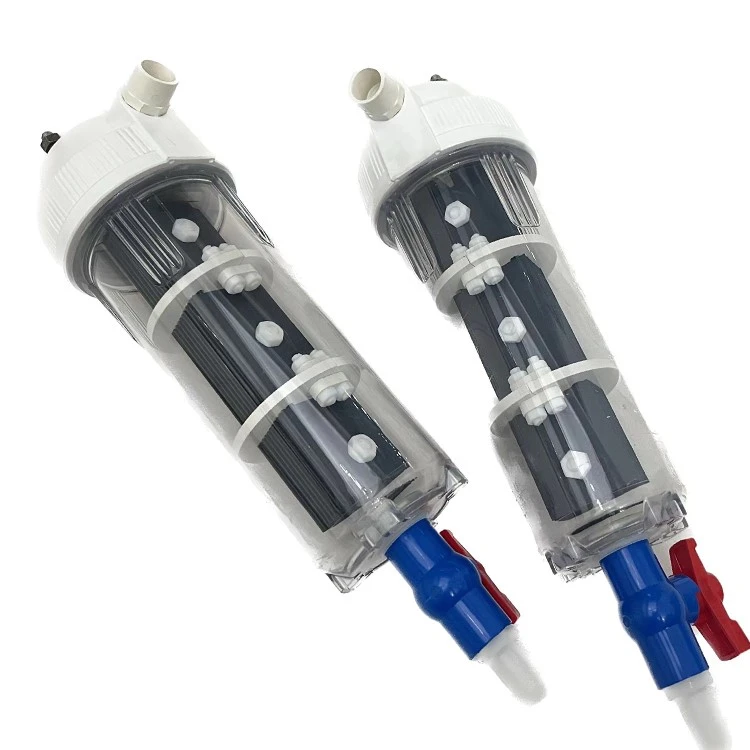
Conclusion
The history of the iteration of swimming pool water disinfection technology is essentially a history of the balance between human pursuit of health and convenience. The emergence of titanium anode plates has reconstructed the disinfection logic with breakthroughs in material science, turning the slogan of "playing in the water with confidence" into reality. When the temperature of technology is integrated into every drop of pool water, we are one step closer to the ideal of "zero-burden swimming". For swimming pool operators, choosing titanium anode plates is not only a technological upgrade, but also a practice of the commitment to user health; for ordinary consumers, this may be just a trivial detail in the summer swimming pool, but it is these details that quietly improve the quality of life - after all, true luxury is always hidden in invisible places.
Nicole
Company: Baoji Jimiyun Dynamic Co., Ltd
Country:China
Add:Baoti road,Jintai,Baoji city,Shaanxi,China
Cel:+86 13369210920
Gmail:nicole@jmyunti.com
Website:www.jm-titanium.com


