Products Description

At present, most of the anodes used in the electrolysis industry are lead anodes, and a small number of them use iridium titanium anodes. and have gradually withdrawn from the electrolysis industry. Iridium titanium anodes are not accepted by the market because of their high prices. Therefore, a newly developed new anode-titanium-based lead dioxide anode is being promoted and used in China's electrolysis industry, and the use effect is relatively ideal. The following is a brief introduction to this anode.
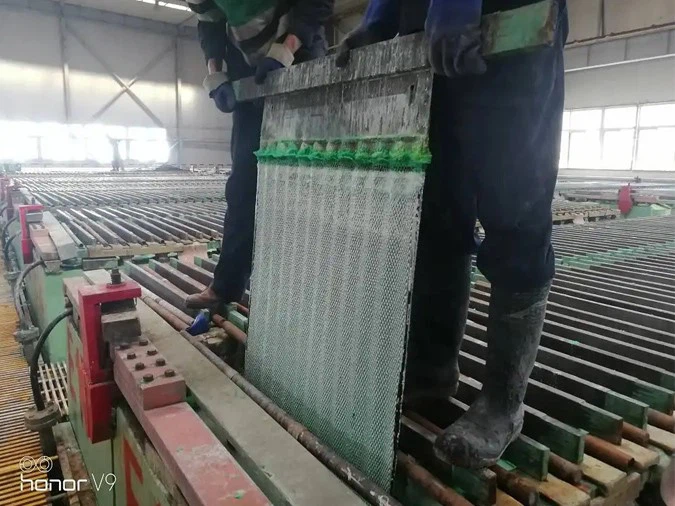
The structure of titanium-based lead dioxide anode: titanium-based lead dioxide anode is a new type of anode that uses titanium mesh as a substrate, and after surface treatment, platinum group metal salts and lead dioxide are solidified on the surface of the titanium mesh substrate.
types of lead dioxide anodes
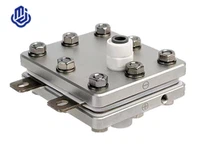
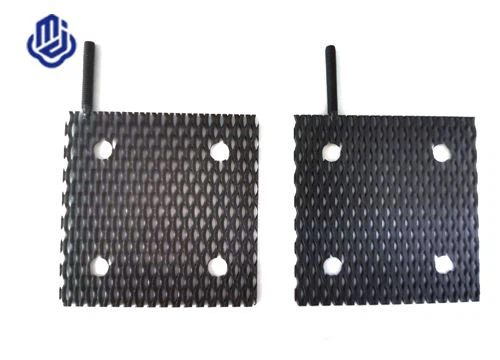
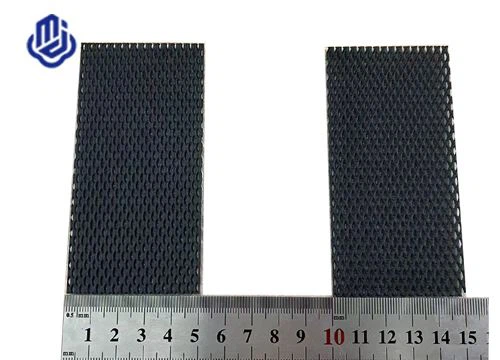
Lead dioxide anodes are divided into lead dioxide anode mesh, lead dioxide anode plate, lead dioxide anode tube and lead dioxide anode cell according to their structural form.

lead dioxide anodes Mesh
The lead dioxide anode mesh boasts a high specific surface area, leading to enhanced reaction efficiency. Its primary application is in wastewater treatment reactors.
lead dioxide anodes plate
The lead dioxide anode plate boasts a flat design ensuring even current distribution. It's easy to manufacture and install, making it ideal for electrolytic cells and electroplating cells.


lead dioxide anodes Tube
The lead dioxide anode tube is hollow and suitable for fluid passage. It is used in continuous reaction systems and is suitable for use in electro-Fenton reactors and ozone generators.
lead dioxide anodes cell
Lead dioxide anode cell is mainly composed of anode and cathode, which is the core part of electrolytic cell and is suitable for high concentration organic matter degradation, electroplating and electrolytic metallurgy.

Specification of Lead Dioxide Anodes
| Substrate | Gr1/Gr2 Titanium | Coating Type | Lead dioxide |
| Dimension & Shape | Plate, mesh, rod, tube or customized | Noble Metal Content | 8-13g/㎡ |
| Voltage | < 1.13V | Current Density | < 3000A/M^2 |
| Work Time | 80-120 hours | Coating Thickness | 0.6-3mm |
| Lead dioxide anode reaction: | H2O → OHads + H+ + e− Pb2+ + OHads → Pb(OH)2+ Pb(OH)2+ + H2O → PbO2 + 3H+ + e− |
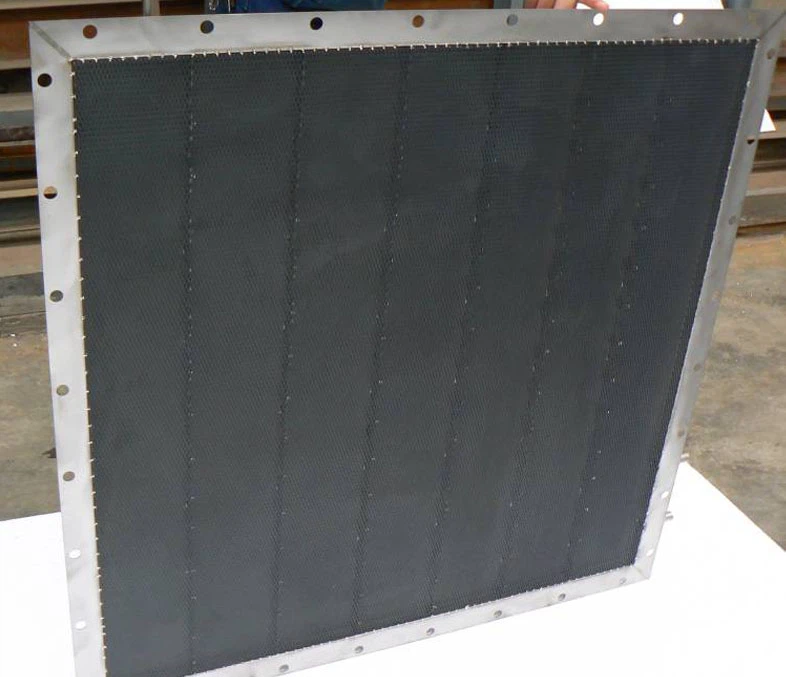
Application areas |
Electrolytic deposition of non-ferrous metals such as copper, nickel, cobalt, zinc, etc. |

Company information
As a non-stoichiometric compound with a lead excess and oxygen deficiency, lead dioxide (PbO2) electrodes come in various crystal structures. The anodically electrodeposited β-PbO2 form is highly resistant to oxidation and corrosion, exhibiting remarkable stability even in strong sulfuric acid (H2SO4) or nitric acid (HNO3). Its superior properties-high oxygen overpotential, excellent conductivity, and strong binding-result in potent oxidation capabilities during aqueous electrolysis, allowing for high current densities.
This makes it a highly versatile and sought-after electrode material with broad applications in electroplating, hydrometallurgical processes, and wastewater treatment, surpassing many other electrode materials in performance.

01
High Quality
Our lead dioxide anodes are manufactured using high-purity raw materials and state-of-the-art processes, resulting in superior performance and consistent results for applications such as electrolysis, electroplating, and wastewater treatment.
02
Advanced Equipment
With fully automated lead dioxide electroplating production lines, state-of-the-art testing instruments, and a sophisticated digital control system, the factory ensures each lead dioxide product adheres to rigorous industry standards.
03
Professional Team
Our expert team of materials scientists, engineers, and technicians provides comprehensive technical support, guiding you from material selection to application optimization, and helping you overcome complex technical challenges.
04
Custom Service
We offer bespoke solutions tailored to your exact specifications, including dimensions, shape, and coating thickness. We also provide rapid prototyping and high-volume production to meet the unique needs of various industries.
Our Certificate


IATF 16949:2016

ISO 9001:2015

Certificate of Origin
how to make lead dioxide anode?

NO.1
Substrate selection and cutting
Select industrial pure titanium (such as Gr1, Gr2) plates, meshes or rods as the substrate of lead dioxide anodes, and cut the shapes according to the customer's size or drawings

NO.2
Surface treatment
A mixed metal oxide coating such as tin-antimony oxide, manganese-ruthenium oxide, iridium-tantalum oxide, etc. is coated on the surface of the substrate to prevent the formation of an insulating TiO2 film on the titanium substrate during anodic polarization and significantly improve the bonding strength between PbO2 and titanium.

NO.3
Preparation of electroplating solution
To begin, dissolve the lead salt in deionized water. Slowly introduce the pre-determined quantity of concentrated nitric acid (observe all safety precautions). Ensure thorough mixing. Incorporate any required additives. Filter the resultant solution to eliminate contaminants. Finally, regulate the temperature to the operational range (typically 40-70°C).

NO.4
Electrodeposition of PbO₂
Immerse the titanium anode and cathode in the preheated plating solution, turn on the power, and perform electrolysis under the set parameters. An oxidation reaction occurs on the anode: Pb²⁺ + 2H₂O → PbO₂ + 4H⁺ + 2e⁻.

NO.5
Post-processing
After deposition is completed, the anode is removed from the power supply and immediately rinsed with a large amount of running deionized water to remove residual acid and lead ions, and then thoroughly dried in a low temperature (e.g., 60-80°C) oven.
Where to get lead dioxide anode sample?
lead dioxide anode sample
We offer customized lead dioxide anodes.


User Evaluation

Gaby Elgressy
CEO

ArcelorMittal Tubarão
Research and Development Specialist

Elfson
Purchasing Manager
Advantages of Lead Dioxide Anodes
Advantages of Lead Dioxide Anodes
increasing product purity
Titanium-based lead dioxide anodes eliminate lead contamination of the electrolyte, eliminating the need for lead removal and preventing lead absorption into the cathode product, thus increasing product purity.
Improve current efficiency
Lead dioxide anodes boost current efficiency by 4-5% (to 93-95%), increasing production output.
Reduce voltage
Titanium-based lead dioxide anodes reduce cell voltage by 5-8%, significantly saving energy.
Extend service life
These anodes last 1.5-2 times longer than lead anodes.
Reusable
While the initial cost is roughly double that of lead anodes, the titanium substrate and conductive rod are reusable.
Reduce pollution
Using titanium-based lead dioxide anodes reduces labor, improves working conditions, and eliminates the hazards of handling toxic lead and barium carbonate.
In summary, the use of titanium-based lead dioxide anodes saves energy, electricity, manpower, and is environmentally friendly, and has gradually been widely used in China's electrolysis industry. Titanium-based lead dioxide anodes have replaced traditional lead anodes, which is a must for today's electrolysis industry.
FAQ
Everything You Need to Know
Contact us with any other questions; our expert tech team is here to help.
Is PbO2 a cathode or anode?
In electrodeposition, PbO2 is used as an anode, and its substrate uses titanium material. Lead dioxide electrodes have been widely used in many fields such as electroplating, hydrometallurgy and wastewater treatment.
How to make lead dioxide electrode?
1. Substrate preparation: Same as electrodeposition (titanium substrate needs to be activated by pickling, preferably with a precious metal intermediate layer).
2. Coating solution preparation: Prepare an alcohol solution (such as isopropanol, n-butanol) of lead salt (such as Pb(CH₃COO)₄ lead (IV) acetate or Pb(NO₃)₂ lead nitrate). Lead (IV) acetate is more easily decomposed directly into PbO₂.
3. Coating: Apply or spray the coating solution evenly to the substrate surface.
4. Thermal decomposition: Place the coated substrate in a high-temperature furnace and bake for a certain period of time to decompose the lead salt into PbO₂. This coating-thermal decomposition process needs to be repeated many times to achieve the desired thickness.
5. Post-treatment: Cleaning and drying.
What are the methods for preparing lead dioxide anode?
There are two mainstream methods for making lead dioxide anodes: electrodeposition and thermal decomposition. Electrodeposition is more commonly used, but the operation is relatively complicated; thermal decomposition is simple but has slightly worse performance.
What are the crucial factors in the production of lead dioxide anodes?
Manufacturing lead dioxide (PbO₂) anodes typically involves depositing a dense, strongly adherent coating of β-PbO₂ onto a conductive substrate, most commonly titanium.
Knowledge

Several methods exist: applying a platinum and palladium oxide underlayer; plating the titanium substrate with silver or a lead-silver alloy; applying a semiconductor underlayer of tin-antimony compounds; or applying a titanium-tantalum composite oxide layer. A platinum and palladium oxide underlayer protects the titanium and improves adhesion due to their high oxygen overpotentials. While other platinum group metals (ruthenium, iridium, rhodium) are conductive, their lower oxygen overpotentials make them unsuitable. Mixing platinum and palladium oxide with other metal oxides (e.g., titanium oxide, tantalum-doped tantalum oxide, tin oxide) further enhances adhesion and reduces platinum group metal usage. The underlayer should be 0.05-3µm thick; thinner layers provide insufficient coverage, while thicker layers increase resistance.
The limitations of traditional anode materials – the high cost of platinum, the poor corrosion resistance of graphite in oxygen-producing environments, and the inferior performance of lead alloys – have driven the search for a superior alternative. Enter the lead dioxide titanium anode, a game-changer in terms of energy efficiency, reduced waste, and environmental friendliness.
In oxygen-generating processes, lead dioxide (PbO2) has proven exceptionally effective. The β-PbO2 form, created through anodic electrodeposition, boasts impressive properties: resistance to oxidation and corrosion (particularly in strong sulfuric and nitric acids), a high oxygen overpotential, excellent conductivity, strong bonding, powerful oxidation capabilities in aqueous solutions, and the capacity to handle substantial currents.
This innovative anode has found widespread application in electroplating, smelting, and wastewater treatment, surpassing the capabilities of other materials like DSA, pure lead, and platinum-plated titanium.
Contact us
Baoji JM-TITANIUM-Professional anode design and manufacturer
Over the years, we have been specialized in anode research and development, production and manufacturing, and our products are exported to many countries around the world. Various series of anodes can be designed and produced according to the actual environmental parameters of different users. You are welcome to visit and negotiate.
Our address
Middle section of Baotai Avenue, Baoji City, Shaanxi Province,China.
Phone Number
+86 13369210920

Hot Tags: lead dioxide anode, China, suppliers, manufacturers, factory, customized, wholesale, buy, price, cheap, sale, quotation, in stock, free sample, Titanium Anode For Sewage Treatment, Titanium Equipment, Lead Oxide Coated Titanium Anode, Titanium Anode For Swimming Pool Disinfection, Titanium Anode For Electrolytic Copper Foil, Ruthenium Coating Titanium Anode