
Products Description
1. Selection of electrode materials for organic electrosynthesis
1. Electrochemical synthesis of organic matter is divided into: anodic oxidation electrosynthesis and cathodic reduction electrosynthesis. This production process is of high quality and low consumption, without the discharge of three wastes. The important place for the reaction of organic electrosynthesis is the electrolytic cell. There are many factors affecting the reaction process. Different reactions require the design of special types of electrolytic cells. Therefore, the selection of electrode materials, electrolytic cell structures, and diaphragm materials is very important;
2. The important part in the organic electrolytic synthesis electrolytic cell is the electrode, which is the place for electron transfer. Because the selection of unsuitable electrode materials may cause dissolution and corrosion during anode passivation, the selection of anode materials is often very difficult. Common anodes used in electrochemical synthesis include graphite, lead-silver alloy and other anodes, which cannot meet the production needs due to the anodes’ shedding, corrosion, low electrocatalytic activity, and inappropriate oxidation potential;
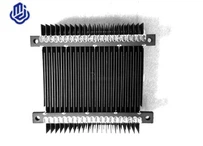
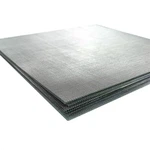
3. Titanium-based coated insoluble anodes are gradually being used due to their high electrocatalytic activity, electrochemical stability, and good corrosion resistance.


| Substrate | Anode coating type | shape | application |
| Industrial pure titanium(GR1 material ) | platinum series metal coatings | Plate, Mesh, Porous Electrode | Organic electrolytic synthesis of succinic acid, glyoxylic acid, tetrabutylammonium acetate, etc. |
Application
Organic electrosynthesis application technology:
Paired electrosynthesis: It refers to the synthesis technology that in the same electrolytic cell, the cathode and the anode obtain their respective products at the same time, or obtain the same useful product at the same time. Because it has the following advantages:
◆ Can greatly improve the current efficiency, theoretically up to 200%;
◆ Can greatly improve the space-time efficiency of electrosynthesis;
◆ If applied to industrialization, compared with one-electrode electrosynthesis, it can reduce production cost, save electric energy, and improve electric energy efficiency.
Solid Polymer Electrolyte (SPE for short): The electrode SPE is a polymer ion exchange membrane, which can be made by coating one side of the membrane with an electrocatalyst or introducing electrocatalytically active metal ions into the membrane. SPE composite electrode. SPE film and similar composite electrodes have the advantages of good chemical and mechanical stability, excellent electrical conductivity and long service life.


Advantages
Organic electrosynthesis has strong vitality and broad development prospects, and its advantages are highlighted in the following aspects:
- Selectivity and specificity in many occasions;
- No need to use expensive oxidizing and reducing agents;
- Clean, the oxidation-reduction reaction is completed with the gain and loss of electrons, and no additional oxidizing and reducing agents are required;
- Mild conditions, such as organic synthesis can be completed at room temperature and pressure, especially for the synthesis of unstable organic compounds with complex molecular structures;
- Less by-products;
- Energy saving, on the one hand, is reflected in the comprehensive energy consumption, and on the other hand, due to the low inter-electrode voltage (2-5V), it can approach the required value of thermodynamics;
- Easy to control, the reaction speed can be realized by adjusting the current, and it is easy to realize automatic continuous operation;
- Small scale effect, especially beneficial to the production of fine chemical products
Company information
The anodes used in conventional electrochemical synthesis include graphite, lead-silver alloy, lead dioxide, titanium-coated ruthenium and other anodes. These anodes cannot meet the production needs due to their shedding, corrosion, low electrocatalytic activity, and inappropriate oxidation potential. Baoji City The titanium anodes for organic electrochemical synthesis produced by JM-Titanium Co., Ltd. are tailor-made according to the different conditions of use of customers, which can perfectly meet the process requirements.


Production process

Other product

Titanium Electrode for Electrolysis Seawater

titanium anode for sodium hypochlorite generator
Contact


Hot Tags: organic electrolytic synthesis of titanium anodes, China, suppliers, manufacturers, factory, customized, wholesale, buy, price, cheap, sale, quotation, in stock, free sample, Titanium Anode For Electrolytic Copper Foil, Titanium Anode For Sewage Treatment, Titanium Equipment, Titanium Anode For Swimming Pool Disinfection, titanium anode for electrolysis, Ruthenium Coating Titanium Anode