
Gmail:alisa@jmyunti.com
Ruthenium-iridium-titanium (Ti/IrO2) electrode is a commonly used inert electrode, which is often used in electrolysis processes in the field of electrochemistry. It is usually used for electrolysis applications with corrosion resistance, high efficiency and long life.

Ruthenium-iridium-titanium electrolytic substances:
Ruthenium-iridium-titanium electrode can be used for electrolysis of various solutions and electrolytes, such as water, salt solution, acid solution, etc. It can be used as an electrode for oxidation or reduction reactions in many chemical processes.
Ruthenium-iridium-titanium use process:
a. Preparation: Make sure the electrolytic cell or container is clean and free of impurities. Install the ruthenium-iridium-titanium electrode into the electrolytic cell to ensure that the electrode is in full contact with the electrolyte.
b. Connect the power supply: Connect the ruthenium-iridium-titanium electrode to the electrode port of the power supply or electrolysis equipment. Make sure it is connected correctly and follow the operating instructions of the equipment.
c. Control conditions: Set parameters such as current density, electrolysis time and temperature as needed. These parameters will vary depending on the specific electrolysis process.
d. Start electrolysis: Turn on the power supply or start the electrolysis equipment to start the electrolysis process. Perform for the required length of time as needed.
e. Monitoring and control: During the electrolysis process, the current, potential and other relevant parameters can be monitored and recorded. Make necessary controls and adjustments as needed.
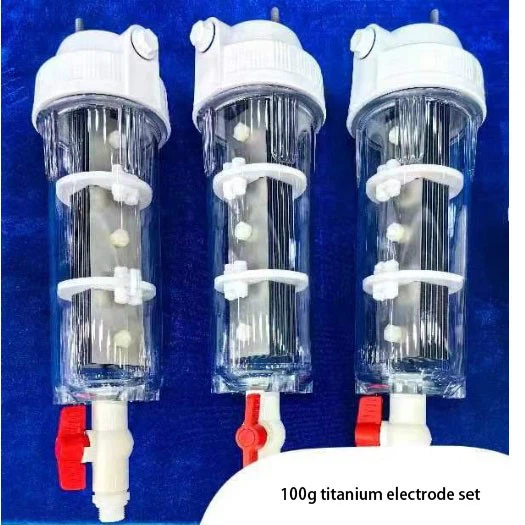

Ruthenium iridium titanium precautions:
a. Safe operation: When operating the electrolysis process, follow safe operating procedures, including wearing appropriate protective equipment and avoid touching the electrodes or exposure to hazardous chemicals.
b. Temperature control: Some electrolysis processes may require temperature control. Ensure that the temperature during the electrolysis process is within a controllable range and avoid problems that may be caused by excessive temperatures.
c. Current density control: According to the specific electrolysis reaction requirements, reasonably control the current density. Excessive current density may cause electrode corrosion or other adverse effects.
d. Cleaning and maintenance: Clean the ruthenium iridium titanium electrode regularly to remove impurities and deposits on the surface to ensure its performance and life.
e. Pay attention to electrolyte selection: Different electrolytes may have different effects on the ruthenium iridium titanium electrode, so consider its compatibility and reactivity when selecting the electrolyte.
Please note that the specific electrolysis operation methods and precautions of ruthenium, iridium and titanium may vary depending on the specific electrolysis experiment and application. Before conducting any electrolysis experiment, you can consult me (specific contact information is shown at the bottom) to provide you with the best electrolysis suggestions for ruthenium, iridium and titanium.
Company: Baoji Dynamic Trading Co., Ltd
Country:China
Add:Baoti road,Jintai,Baoji city,Shaanxi,China
Cel:+86 18391896637(WHATSAPP)/18391894207
Gmail:alisa@jmyunti.com
Website:www.jm-titanium.com


