

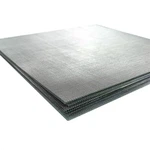

Ruthenium iridium titanium electrode is a kind of electrode material, which is composed of ruthenium, iridium and titanium, and has excellent electrochemical performance. It can be used for electrochemical measurement, such as potential, current, potential and current density, as well as electrochemical reaction, such as reduction, oxidation, hydrolysis and carboxylation. The advantage of ruthenium iridium titanium electrode is that it has good corrosion resistance and can work stably in acidic and alkaline solutions for a long time. Its electrode reaction rate is fast, the reaction can be completed in a short time, and the stability of the reaction product is also high. In addition, it also has good heat resistance and can be used at high temperature. Ruthenium iridium titanium electrode also has excellent insulation performance, which can effectively prevent short circuit between electrodes, thus improving the reliability of the electrode. It also has good magnetic resistance and can effectively resist the interference of external magnetic field, thus improving the accuracy of the electrode.


Classification of titanium anodes: according to the gas released from the anode in the electrochemical reaction, the chlorine anodes that precipitate chlorine gas, such as ruthenium-based coated titanium electrodes: those that precipitate and oxidize are called oxygen-evolving anodes, such as iridium-based coated titanium electrodes and platinum coating (or platinum plating).
Chlorine analysis anode (ruthenium-based coated titanium electrode): high chloride ion content in the electrolyte: generally in hydrochloric acid environment and electrolytic seawater, electrolytic saline environment.
Oxygen evolution anode (iridium coated titanium electrode): The electrolyte is generally a sulfuric acid environment.
Platinum-plated anode (platinum-coated anode): Titanium is the base material. The surface is coated with precious metal platinum, and the thickness of the coating is generally 1-5um (micrometer). The mesh size of platinum titanium mesh is generally 12.7×4.5mm or 6×3mm.
| Name | Titanium anode plate |
| Titanium electrode Substrates and Coatings | Substrate: Gr1/TA1 Titanium Coating Material: Ruthenium oxide, iridium oxide, ruthenium iridium, platinum, iridium tantalum, ruthenium iridium tin and other coatings MMO Coating Thickness: 8-10mm Platinum coating thickness:0.5-20um |
| Titanium electrode Features: | 1. High erosion-resisting 2. High current efficiency 3. High durability 4. Floor can circle after electrodes lose activity 5. Heavy current density, high productivity 6. Light weight |
| Titanium electrode classification | 1.Precipitated chlorine gas titanium electrode: ruthenium iridium titanium electrode (sintering temperature: 450 degrees Celsius), the application of chlorine gas titanium electrode is relatively soft, such as in the chlor-alkali industry of water treatment or electrolysis of salt. Chlorine-precipitating titanium electrode refers to the general term for electrodes that can precipitate chlorine gas at the anode, mainly including ruthenium-titanium electrode, ruthenium-iridium electrode and ruthenium-iridium-tin electrode. 2.Oxygen evolution titanium electrode: iridium tantalum titanium electrode (sintering temperature: 480 degrees Celsius), used in harsh environments, such as sulfuric acid system, nitric acid system or mixed acid system. 3.Platinum-plated titanium electrode has good hydrogen production effect, high melting point, high strength, and stable electrothermal performance. It is mainly used in hydrogen-rich water cups and other industries that require hydrogen production |


Technological process :
A. Micro etching solution (Cu2SO4+H2O2)----- Oxygen breaking electrolyzer (Decomposition of H2O2)----- Electrodeposited copper
B. Alkaline etching solution---- Extraction process--- Copper sulfate + sulfuric acid--- Electrodeposited copper
C. Acid etching solution--- Ion exchange membrane electrolysis (Electrodeposited copper)--- Tail gas treatment (chlorine absorption)


Application:
dyeing wastewater treatment;
Organic wastewater treatment;
Seawater Electro Chlorination;
Cooling water anti-biofouling;
Electrodialysis;
Pool chlorinator cell
Advantages:
1.High anti-corrosion performance, good inversion performance.
2.High current efficiency and extremely low energy consumption compared to graphite anodes.
3.longevity, in the chlor-alkali industry, the service life is more than 8 years. 4.After the electrode is deactivated, the basic body can be reused.
Related products


Company: Baoji Dynamic Trading Co., Ltd
Country:China
Add:Baoti road,Jintai,Baoji city,Shaanxi,China
Cel/Whatsapp :+86 18309262795
Email:annie@jmyunti.com
Website:www.jm-titanium.com
Hot Tags: titanium anode plate, China, suppliers, manufacturers, factory, customized, wholesale, buy, price, cheap, sale, quotation, in stock, free sample, Iridium Coating Titanium Anode, titanium anode for electrolysis, Titanium Anode For Electrolytic Copper Foil, Titanium Anode For Sewage Treatment, Ruthenium Coating Titanium Anode, Pt Coated Titanium Anodes


